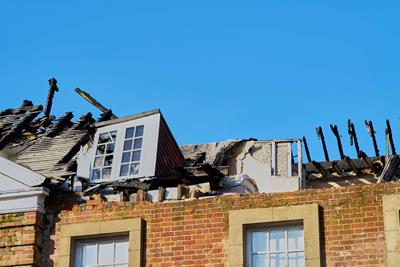
Wear and tear in home insurance refers to the gradual loss of value of an item or property due to damage that occurs over time.1
For example, your patio’s grouting may have worn away, loosening the slabs. Or the gutters may have started to sag under the weight of debris, causing water damage to the walls.
We explain what wear and tear is, how to keep on top of it, and why it matters for insurance, so you avoid issues that could lead to further damage and understand what you can claim for.
EASY AS HACK
Wear and tear examples:
- Dampness caused by failed sealings or broken gutters
- Roof damage from lack of maintenance
- Thinning, worn carpets
- Worn furniture, such as threadbare sofas
- Water stains from mortar erosion
- Frozen pipework that wasn’t insulated
- Leaking pipe in a driveway not caused by an external force
- Boiler breakdowns
- Gradual damage
At a Glance
We class wear and tear as damage or deterioration caused by general everyday use.
What is classed as wear and tear?
Our homes undergo general wear and tear gradually, as they age, such as bald patches on carpets from everyday use or loose ridge tiles on a roof that have deteriorated over time.
Understanding what counts as wear and tear is important, as it can affect whether a claim is covered. Home insurance is intended to protect against unforeseen events, while damage caused by gradual deterioration, ageing or avoidable maintenance issues is typically not covered. Regular upkeep can help keep your home and belongings in good condition and avoid unexpected problems.
Does home insurance cover wear and tear?
Generally, home insurance will not cover wear and tear, such as a leaky roof, if it hasn't been well maintained. That’s why it’s important to read your policy booklet and understand what you’re covered for and whether you can make a claim.
For example, the Ageas home insurance policy won’t pay for claims that are a result of wear and tear or anything that happens gradually.
The things not covered under buildings and contents insurance include:
- The breakdown of appliances and other electrical items.
- Damage caused by poor building work or alterations to buildings or contents.
- Anything you could have reasonably prevented by maintaining the buildings and contents.
For example, if a storm causes rain to enter your home because a roof, wall, window, or other part of the building that has deteriorated through wear and tear, poor workmanship, or faulty design, the resulting water damage wouldn’t be covered. This is because the damage was caused by an underlying maintenance issue rather than the rain or storm itself.
Wear and tear examples
Here are some examples of wear and tear affecting both the buildings and their contents.
Building wear and tear
Wear and tear not covered by building insurance:
- Roof damage, such as a leak caused by worn, missing, or cracked tiles due to poor maintenance.
- Mould caused by condensation and rust or rot in the window frames.
- Damp caused by failed or insufficient window sealant.
- Damp caused by poor grouting or sagging gutters.
- Water damage from uninsulated pipes that freeze and burst.
- Structural issues due to long-term rot, corrosion or lack of maintenance.
Learn more about what buildings insurance covers.
Fixtures and fittings
Building insurance will not cover wear and tear of fixtures and fittings, including:
- Slow seepage from worn joints or gaskets.
- Corrosion, ageing, gradual deterioration or mechanical and electrical failures of central heating pumps that break down through normal use or lack of maintenance.
- Scratches or dents in built-in ovens, baths, toilets, sinks and showers.
Contents wear and tear
Wear and tear not covered by contents insurance:
- Worn, threadbare furniture, such as sofas or chairs.
- Electrical or mechanical breakdown of appliances such as a fridge.
- Carpets that have faded or thinned over time.
What happens if an insured event causes damage but the items show signs of wear and tear?
Home insurance doesn't cover damage caused by normal wear and tear, gradual deterioration, or a lack of maintenance.
However, if an insured event causes damage, you may still be able to make a claim, even if the item was already showing signs of age or wear.
For example, imagine a flood damages a bed you've owned for 15 years. Before the flood, the mattress was worn and the bed frame had signs of everyday use. While the wear and tear itself wouldn't be covered, you may be able to claim for the value of the bed at the time it was damaged. Any settlement would take its age and condition into account.
How to avoid wear and tear in your home
You can avoid wear and tear in your home and maintain your household insurance by regularly carrying out maintenance and using accredited tradespeople.
What to check:
- Roof tiles for cracks or slips.
- Staining, cracks and gaps in lead flashing around chimneys.
- Erosion in the roof valley, including gaps in the mortar.
- Damaged rubber or brittle felt roofs.
- Guttering for blockages, cracks, breaks and sagging.
- Pipework for insulation and signs of leakage.
- Boiler servicing and ventilation, such as extractor fans.
- Windows for damage and rot.2
- Trim plants that are growing across them.
- Exterior brickwork and pointing.
- Exterior paintwork for flaking.
- External woodwork like fences, doorframes and fascias.
Head to the most common reasons for storm claims not being covered.
When to check:
- Gutters – at least twice a year (spring and autumn) and after heavy leaf fall and storms.
- Chimneys, lead flashing, roof valley erosion, damage to rubber or felt roofs and roof panels – once a year.
- Boiler servicing – once a year in the summer.2
- Before periods of extreme weather, such as storms, heavy rain or heatwaves.
- After storms or heavy rain, and after leaf fall, to spot early issues.
Each month, you should also check the boiler pressure, any smoke alarms and carbon monoxide detectors, and maintain the garden.2
Use trusted professionals:
Always choose qualified tradespeople. Unqualified workers, cheap materials and DIY fixes for structural, electrical or roofing issues can lead to poor workmanship and are often not covered by home insurance policies. It can also be risky to try to do it yourself, particularly if it involves gas or electricity.3
- Check that the company or tradesperson is a member of a trade body, such as:
– Gas Safe Register
– National Inspection Council for Electrical Installation Contracting (NICEIC)
– Federation of Master Builders (FMB). - Citizens Advice recommends searching for traders through schemes such as:
– TrustMark (government-endorsed)
– Buy with Confidence (run by Trading Standards).
– Which? Trusted Trader. - Keep your receipts or any reports as evidence of proper upkeep.
Why is good repair important for home insurance?
Keeping your home well maintained is typically an important condition of your home insurance policy. Routine upkeep and maintenance can help reduce the risk of avoidable damage, whilst the insurance itself provides protection against unexpected events like flood and storm damage.4
You’ll need to address any wear-and-tear damage for insurers to consider your home to be in good repair. That means ensuring gutters and pipes are functioning properly, replacing slipped or cracked roof tiles, filling any mortar cracks and ensuring sealants in windows are maintained.
Get a home insurance quote
Get a quick home insurance quote.
FAQ's
Why home insurance won’t cover boiler wear and tear
Home insurance policies won’t cover boiler wear and tear because they are designed for unexpected or sudden events and disruptions. Boiler wear and tear is classed as natural ageing.
However, an optional emergency cover can help with boiler emergencies.
Will home insurance cover roof repairs?
It’s unlikely that home insurance will cover roof repairs if the damage is due to wear and tear or poor maintenance.
What happens if I claim on home insurance for wear and tear?
If you make a claim on your home insurance policy and the insurer determines that the damage was caused by wear and tear rather than an insured event, your claim will most likely be declined.
Sources
1. https://www.abi.org.uk/data-and-resources/tools-and-resources/glossary/wear-and-tear/
2. https://hoa.org.uk/advice/guides-for-homeowners/for-owners/home-maintenance-checklist/
4. https://www.abi.org.uk/news/news-articles/2025/7/1.6-billion-paid-in-property-claims-in-q2-2025/