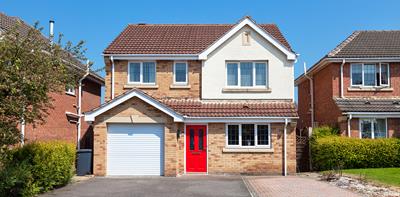
Having buildings insurance is in most cases a condition for obtaining a mortgage to buy a home – but what is it and what does it cover?
Here’s our guide to building insurance, what your policy does and doesn’t cover, and how building insurance is calculated.
EASY AS HACK
Always contact your insurer as soon as possible if you’re going to make a claim on buildings insurance.
At a Glance
Building insurance covers the cost of:
- Repairing damage to the physical structure of your home that is caused by insured events such as Fire, Storm, Flood, Escape of water or Subsidence.
- Alternative accommodation (if included under your policy) – if your home is uninhabitable while repairs are carried out.
What is building insurance?
Building insurance usually covers the cost of repairing a property’s physical structure when it is damaged by events such as fire, flooding and storms, subject to the policy terms, excesses, conditions and underwriting.
This includes not only walls, roofs and floors but also permanent fixtures and fittings (i.e. sanitary ware, fitted wardrobes), and this protection will often extend to garages and other outbuildings, as well as paths, drives and patios.
It doesn’t cover the belongings you keep inside a property, such as furniture, carpets, clothes, or the food in your freezer, or any items worn or carried by you or your family in daily life. Claims for these items can be made through contents insurance.
Buildings insurance and contents insurance are the two types of policy cover that are often labelled as home insurance.
How does buildings insurance work?
Buildings insurance, which you’ll pay for either monthly or once every year, works in two main ways:
- Specific sum insured buildings insurance covers your home for a set amount, based on the full cost of rebuilding it from the ground up, including demolition, materials, labour, and related fees.
It’s important that you get this cost right – if you are underinsured, you will have to pay more for rebuild work out of your own pocket.
- Unlimited sum insured buildings insurance means the insurer does not set a specific rebuild limit, but cover is still subject to policy terms, conditions and eligibility criteria. This is generally more expensive because insurers assume greater risk by not capping the potential payout.
See our guide to how much does buildings insurance cost?
What does a buildings insurance policy cover?
A typical buildings insurance policy will cover the costs of repairing damage to the structure of your home caused by:
- Fire, lightning, explosions and smoke.
- Storms and flooding.
- Falling objects like trees or aerials.
- Subsidence, heave and landslip.
- Theft and vandalism (only repairs and damage of built-in components such as broken doors, smashed windows or damaged fited kitchens, not personal belongings).
- Leaking or freezing water & escape of water.
For example, if a storage tank leaks and ruins a mattress in a downstairs bedroom, you’d need to claim for the mattress under contents insurance and the damage to the building through buildings insurance.
Buildings insurance can cover temporary suitable alternative accommodation if your home is uninhabitable due to an insured event, for example, flood.
You can add cover for accidental damage – such as breaking a window – to your buildings insurance, but it will increase the cost of your insurance.
What isn’t covered by buildings insurance?
Exclusions vary significantly between insurers and policies. You should always check your policy documents for full details. Most policies exclude:
- Deliberate damage.
- Wear and tear – damage that happens slowly over time, like damp, condensation or rust.
- Damage resulting from a lack of maintenance, neglect or bad workmanship.
- Storm damage to gates, fences and hedges.
- Damage done by insects, birds and pests – or the cost of getting them removed or eliminated.
Do you need buildings insurance?
Buildings insurance is not a legal requirement, but if you need to borrow money to buy a home, lenders will typically insist on buildings insurance as a condition of your mortgage.1
Even if you own your home outright, buildings insurance is recommended. Without it, you’d have to cover what can sometimes be enormous costs yourself if something went wrong with the property.
However, if you are a tenant or leaseholder, the landlord or freeholder is responsible for arranging buildings insurance.
Calculating how much buildings insurance cover you need?
When calculating how much buildings insurance you need, the key to getting it right is to insure yourself for the cost of completely rebuilding your home – what’s called the sum insured.
The rebuild cost is not the same as the price you paid for your home and will usually (though not always) be lower than its current market value.
Keep in mind:
- Home improvements, such as adding an extension or conservatory, can increase the rebuild cost.
- Rebuild costs can be higher for ‘non-standard construction’ properties.
- Rebuild costs can increase over time.
See our guide on how to calculate the rebuild cost of your home.
How to claim on buildings insurance
The Association of British Insurers (ABI) advises that once you’ve checked your insurance covers your claim, you should contact your insurer as soon as possible.2
Depending on what’s happened, the longer you leave it, the worse the situation can get, and it’s also a condition of many insurance policies that you report any incident to your insurer within a set time. To make a claim, you will likely need to:
- List the damage.
- Take pictures or videos of the damage.
- Explain how, when and where the damage happened.
- Provide copies of receipts for damaged items and any emergency repair costs.
- Supply a crime reference number if the damage is the result of burglary or vandalism.
If your claim is accepted, your insurer will pay the cost of repairing the damage or rebuilding the property. The amount they pay will depend on the excess you have on your policy and any limits.
An insurance excess is the amount you pay towards a claim before your insurer covers the rest. The total excess is usually deducted from your payout or paid directly when repairs are carried out.
What is the difference between home insurance and buildings insurance?
Home insurance is a term referring to two types of property insurance.
The first type is buildings insurance, which covers the physical structure of your property. The second, called contents insurance, protects the items inside your property.
Head to buildings insurance vs contents insurance: what’s the difference? to find out more.
FAQs
Do you need buildings insurance on a new-build?
Yes, you should take out buildings insurance on a new-build property. It will have a warranty,3 but that only covers structural defects, not damage from events like fire, storms or burglary.
Are conservatories covered by buildings insurance?
Conservatories are generally covered by buildings insurance, but check the terms of your policy.
What is the difference between buildings insurance and contents insurance?
Buildings insurance covers the cost of repairing or rebuilding the structure of your property, whereas contents insurance covers the items within the property.
Does buildings insurance cover leaks and water damage?
Buildings insurance will usually cover water damage to the structure of your home that’s caused by frozen and burst pipes, a storm or vandalism, but not if leaks are down to general wear and tear, lack of maintenance or bad workmanship.
Does buildings insurance cover subsidence?
Damage caused to the structure of your home and outbuildings by subsidence is usually covered by buildings insurance, but most policies will have an excess of around £1,0004 for a claim. Discover more about Home Insurance for Subsidence.
Find out more about Ageas home insurance.
Sources
- https://www.citizensadvice.org.uk/consumer/insurance/types-of-insurance/buildings-insurance/
- https://www.abi.org.uk/products-and-issues/choosing-the-right-insurance/home-insurance/making-a-claim-on-your-home-insurance/
- https://www.legislation.gov.uk/ukpga/2022/30/part/5/crossheading/new-build-home-warranties
- https://www.abi.org.uk/products-and-issues/choosing-the-right-insurance/home-insurance/subsidence/).