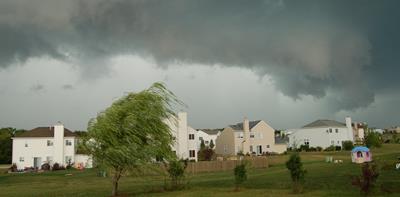
When power cuts affected thousands of UK homes after Storm Goretti1 in 2026, it was another reminder of our increasing reliance on electricity for everything from Wi-Fi to transport.
Find out how to prepare for an outage, who to report it to, and what you need to stay safe if you lose power this winter.
At a glance
A power cut (also known as a power failure, outage, or blackout) is when electricity no longer flows into homes, businesses, a neighbourhood or a region. It can be planned or unplanned.
EASY AS HACK
Prepare for a power cut and stay safe by:
- Keeping a battery or wind-up torch handy
- Having clothes and blankets nearby
- Putting together an emergency kit of food, water and essentials
- Listening to updates via battery, wind-up or solar radio
- Writing down the free power-cut number 105 (03457 643643 in Northern Ireland)
- Turning off appliances, like PCs and TVs, in case a power surge damages them
- Turning off hot equipment like ovens and electric fires
- Keeping fridges and freezers shut
- Checking on neighbours or relatives who might struggle
What is a power cut?
UK power cuts are brief periods when the electricity supply to homes and businesses is disrupted.
The UK network has never experienced a power outage on the scale seen in Spain, Portugal and some areas of France in 2025, when widespread blackouts severely impacted people’s lives.2 People ended up trapped in trains and lifts, businesses closed early as card machines failed to work, hospitals halted routine procedures, and several injuries and fatalities occurred.
Many people are aware of how reliant we are on the grid. The government’s Public Attitudes Tracker on energy security last year reported that 78% of adults were concerned about power cuts in the next 10 to 20 years.3
What causes a UK power cut
Adverse weather, equipment faults, unexpected surges in demand, and issues with the electricity network are the primary causes of a power cut in the UK. Many of these are unplanned, but their effects in modern society can be widespread, disrupting everything from trains and traffic lights to mobile phones and internet access.
During Storm Goretti in January 2026, nearly 170,000 properties in Wales, the South-West of England and the Midlands lost power, with many experiencing outages for more than a day.4
Some power cuts are also planned. Network operators, coordinated by the National Energy System Operator (NESO) and regulated by Ofgem, will interrupt supply when they want to carry out maintenance.5
Check the National Grid map for live power cuts in your area.
Why safety matters during a power cut
It’s essential to stay safe during a power cut as even short blackouts pose a risk:
- Using anything with a naked flame, such as candles and kerosene stoves (meant for outdoor use), can start a fire.
- Power surges can damage electrical appliances like TVs and PCs so it’s best to turn off their sockets as soon as the power is cut.
- Fires are possible if you haven’t switched off irons, frying pans and other heated appliances before the power cut.
- Food poisoning is a risk if you do not use defrosted food safely, or if you haven’t left enough time to cook on a barbecue or camp stove.6
- Power cuts can bring down live overhead power lines that are hazardous to health.
A power cut can also be distressing for vulnerable people, such as those who need access to medical equipment requiring electricity or very young children, who can suffer when homes get cold.
How to report a power cut
Reporting a power cut in the UK depends on where you are.
- Call 105 free to report a power cut in England, Scotland or Wales
- Call 03457 643643 in Northern Ireland
It’s a good idea to save these numbers in your phone contacts or write them down somewhere memorable.
You can also find your specific electricity network provider (not your supplier) and contact details by entering your postcode into a field on the Energy Network Association’s website.
Always dial 999 if a damaged electricity line is a danger to the public or if the outage has caused a fire or serious injury.
How to prepare for a power outage
The government recommends making the following preparations if you expect a power cut:7
- Put torches and spare batteries somewhere that everyone in the household knows so that they can grab them quickly during a blackout.
- Keep mobile phones, tablets, laptops, and power banks charged so you can still use them if you lose Wi-Fi during a power cut.
- Check your health monitoring equipment’s manual or speak to the manufacturer to see how it works during a power cut.
- Get a replacement back-up battery for essential medical equipment, although stair lifts can continue running for a while without a charge.
- Store some bottled water and non-perishable tinned food that doesn’t require electricity to heat (make sure you keep a can opener handy).
- Don’t forget to stock up on baby and pet food. Buy some ready-made baby formula, as you won’t be able to boil fresh water. Follow the NHS advice on making baby formula.
- Keep a wind-up or battery radio handy so you can check for news updates (write your local radio station frequencies on a notepad so you can tune in).
Other ways to prepare for a power cut:
- Fill your car with petrol if you expect a power outage (keep an eye on the Met Office’s red, amber, and yellow weather warnings in your area).
- Prepare a thermos with hot water for drinks and hot water bottles for heat.
- If you haven’t done so, save the phone numbers to report a power cut (in case you lose your phone and internet connection).
- Sign up for priority services if you need extra support. The Priority Services Register can provide additional support during a power cut if you or someone else relies on electrically powered medical equipment.
What to do during a power outage
- Look outside and, if your neighbours are also affected, report the outage on the network operator’s website (if you can) or call 105 (England, Wales and Scotland) or 03457 643643 in Northern Ireland.
- Switch off any devices that are high-load or generate heat, such as ovens, electric heaters, air fryers, curling tongs, and irons.
- Turn off your PC and TV to prevent surge damage.
- Keep your fridge and freezer doors closed to keep the food inside as safe as possible and to prevent them from having to work too hard. Refrigerators will keep food cold for 4 hours.7
- Leave a light switched on, so you can instantly see when the supply comes back.
- Keep warm and safe by adding layers of clothing, covering anyone vulnerable with blankets or a duvet, and closing doors and pulling curtains shut to retain heat.
- Do not go near any low-hanging or fallen power lines.
What to do after a power cut
- When the power returns, turn on appliances one by one rather than all at once to see if there are any problems.
- Check for damage to your electrical appliances (suspicious signs include burning smells, buzzing, scorched plugs, and constant tripping when you turn them on). If the device seems unsafe, unplug it immediately and call a qualified electrician to check it.
- Re-set clocks, timers, alarms and any other equipment with a timer.
- Use freezer food within 24 hours of full defrosting. Government safety advice says food should stay frozen for up to 48 hours if your freezer is full, or 24 hours if it’s half-full.7
- Claim on your home insurance if applicable.
Find out how to make an Ageas home insurance claim.
What home insurance may cover during a power cut
- Contents insurance typically covers damage to electrical appliances as well as spoiled food caused by a rise in temperature.
- Home emergency cover (optional cover) helps with immediate issues, such as your boiler failing to restart or burst pipes, but it often excludes the power cut itself if external
- Speak to your insurer or check your policy documents to see exactly what they cover in the event of a power cut, and any optional add-ons.
Power Cut FAQs
How long does a power cut last?
A power cut can last a few minutes or, in rare cases, days, depending on the nature of the outage.
How to report a power cut?
There are two emergency numbers to call to report a power cut. Call 105 for free to report a power cut in England, Scotland and Wales or report it through your network operator’s website if you have internet access. If you live in Northern Ireland, call 03457 643643.
Can I claim compensation for a power outage?
You may be able to claim compensation for a power outage from your local power distribution network operator (DNO), depending on the storm category. Suppose your power cut lasted for up to 24 hours in normal weather (category 1) or 24 to 48 hours during a severe storm (category 2)8. The maximum you can claim for either is £2,165. Call 105 to find your DNO’s number or the right network for your postcode.
Find out what’s included in our home insurance.
Sources
1 https://powercuts.nationalgrid.co.uk/storm-information
4 https://www.bbc.co.uk/news/live/c70le643x50t
5 https://questions-statements.parliament.uk/written-questions/detail/2025-03-26/HL6201
6 https://www.food.gov.uk/safety-hygiene/food-safety-in-a-power-cut-advice-for-consumers
7 https://prepare.campaign.gov.uk/be-informed-about-hazards/power-cuts/