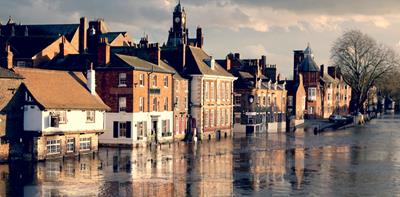
As autumn brings shorter days, many of us start spending more time at home. With darker evenings and more unpredictable weather on the way, it’s a good time to give your home a little extra attention.
The good news is that a few simple checks can go a long way towards helping you avoid common seasonal problems and giving you greater peace of mind.
EASY AS HACK
Use plug-in timers to turn lights on and off around your home while you're away. Varying when lights come on can make your property look occupied and help deter opportunistic burglars.
At a Glance
As the days get shorter and the weather turns colder, a few simple checks can help keep your home running smoothly. From checking smoke alarms and looking after your boiler to improving home security and protecting pipes from freezing, these practical tips can help you stay safe, comfortable and prepared throughout autumn and winter.
How to keep your home safe during winter
As the daylight hours become shorter, many of us arrive home after dark more often. According to the Royal Observatory Greenwich, London’s shortest day1 of the year has less than eight hours of daylight. Government figures from 2024 also show that 59.3% of burglaries in England and Wales happen in the dark2 , making it a good time to think about ways to help keep your home secure.
Good lighting can help you move around your property more safely and make your home look occupied. Take a few minutes to check that outdoor lights are working properly. The police3 recommend adding sensor lighting around entrances, paths and driveways to switch on if there's movement. Not only can this make coming home in the dark easier, but it can also help put off burglars.
Other police home security tips:
- Install an approved smart alarm or CCTV system with wireless technology so you can control it from a smartphone. You’ll need to put up a sign to show that you’re using CCTV.
- Burglar alarms with a siren and flashing lights can also protect your home by alerting neighbours – or an alarm company if it’s monitored.
- Ensure all windows and doors are locked to keep your home secure.
- Make your home more visible by reducing hedges and fencing heights.
- Use internal lights on a timer when you’re away.
- Avoid sharing your location or home details on social media. Be cautious with photos that reveal your home, security and valuables.
- Join your local Neighbourhood Watch scheme and look out for your neighbours during the darker months. A strong community presence can help deter opportunist thieves and ensure suspicious activity is reported quickly.
Learn more about securing your home when on holiday.
Fire safety
As it gets colder and darker outside, it’s natural to turn on the central heating or light candles to stay cosy. To help keep you, your home, and your loved ones safe throughout this autumn and winter, we’ve selected these important fire safety tips.
- Test your smoke alarm and detector – doing this together with routine maintenance can save you time.
- Carbon monoxide alarms – check you carbon monoxide alarm is working properly; this is especially important if you use a log burner. CO2 alarms can also detect gas-burning appliances, such as boilers and cookers.
- Did you know that candle fires cause 3% of house fires and 6% of associated injuries in England, according to the Fire and Rescue Service4 To keep everyone safe, never leave a lit candle unattended and make sure to place candles away from flammable surfaces like curtains. Why not try battery candles instead? They look like real candles, they’re safer, and you don’t have to light them!
Fireplace maintenance
If you have a fireplace, it’s important to carry out regular maintenance to help keep your home safe from potential fires. The fire service and not-for-profit organisation HETAS recommend the following home safety tips to help you and your loved ones stay safe.
- Be sure to have your chimneys swept and inspected at least once a year – more often if you burn wood. 5
- If you use a log burner or open fireplace, ensure the chimney, flues and appliances are clean to keep your home safe from chimney fires and harmful carbon monoxide buildup.
- Ensure the chimney is clear for ventilation6 and install a vent when putting in a log burner.
- Make sure there are no flammable materials near the fireplace that could be risky, such as fuel storage.7
- For added safety, especially if you have young children and pets, consider placing a fire guard around fires and heaters.
Electrical safety
At this time of the year, you might find yourself using more appliances and devices, such as heaters, electric blankets or festive lights.
These winter home-safety tips from Electrical Safety First are designed to help protect you and your family.
- For your safety, avoid putting any type of electric heater, whether it’s convection, halogen, fan or oil-filled, near clothes, paper, furniture or other household items.
- Avoid overloading your plug sockets or powering your heater using an extension lead, as this could result in a fire.8
- Regularly check your electrical sockets to spot wear and tear earlier, as loose connections, scorch marks or exposed wiring are a fire risk.
- Unplug appliances like electric blankets before going to bed – it’s safest to leave them on overnight only if you can adjust the heat and they have an automatic shut-off option.9
- Make sure to keep a real Christmas tree watered because it can catch fire faster than an artificial one.9
- Replace any damaged cables or poor-quality plugs that may cause a fire and check your festive lights before using them.8
- It’s good to have a nightly routine to check all appliances before bed.
Gas safety
According to the Gas Safe Register, engineers found that 1 in 5 UK homes they inspected had an unsafe gas appliance. Here are some home safety tips:
- Have your heating and cooking appliances checked and serviced annually to ensure safety.10
- Faulty boilers can be dangerous as they may release harmful carbon monoxide that can put lives at serious risk. Set a reminder to check yours.
- Contact a Gas Safe Registered engineer to make sure all your gas appliances are working safely and properly.
Find out what to do if you smell gas in your home.
Heating your home
Before switching on your heating to keep warm in winter, you should ensure your boiler is working properly and there are no issues.
Getting your boiler serviced annually is worth doing as it will reduce the risk of breakdowns or issues like high boiler pressure.
Head over to how to protect your home during the winter.
Look after your water pipes
Water escaping is also a risk that peaks during winter. The Association of British Insurers (ABI) says that home insurance providers settled about 8,000 claims for weather-related pipe damage in 2024.11 Insulating water pipes and tanks can help stop pipes from freezing.
Watching out for all these things can help you avoid accidents or issues that might lead to making a claim on your home insurance.
Why winter home safety is important for your home insurance
Taking precautions can help you avoid expensive repairs and might even lower the chances of needing to file a home insurance claim.
Now’s a great time to take a moment and review your home insurance policy. Making sure your cover is up to date, knowing about any exclusions, and confirming it still fits your needs can help you stay prepared for whatever the season brings.
Having the right home insurance in place and following our home safety tips will help you be prepared for whatever the season brings.
Get a home insurance quote
Get a quote for Ageas home insurance.
FAQs
Are smoke detectors required for home insurance?
Smoke detectors are not required for home insurance, but insurers strongly recommend installing them.
Are carbon monoxide alarms a legal requirement?
Carbon monoxide alarms and smoke alarms are legally required in private rented, commercial and social housing properties12, but not in residential properties. However, installing them is strongly recommended.
How often should i check my boiler?
You should service your boiler every year to ensure it’s working properly and to keep your home safe.
Does not having an annual boiler service invalidate home insurance?
Missing an annual boiler service won't automatically affect your home insurance cover. While Ageas home insurance doesn't cover boiler breakdowns, it may cover damage caused by a sudden and unexpected insured event.
However, if a boiler causes damage to your home because it hasn't been properly maintained, such as a leak that results in flooding, your claim may be declined.
Having your boiler serviced every year can help keep it working safely and reduce the risk of costly damage. If you have a boiler breakdown or home emergency policy, poor maintenance could also affect whether you're able to claim.
Sources
1. https://www.rmg.co.uk/stories/time/when-winter-solstice-shortest-day
2. https://www.clearscore.com/learn/insurance/burglary-statistics
3. https://www.police.uk/cp/crime-prevention/protect-home-crime/keep-burglars-out-property/
4. https://www.rbfrs.co.uk/your-safety/safety-at-home/candles/
5. https://www.rbfrs.co.uk/your-safety/safety-at-home/chimney-fire-safety/
6. https://www.hetas.co.uk/the-building-regulations-on-log-burner-ventilation/
8. https://www.youtube.com/watch?v=uGffxYPvUEI&t=7s
10.https://www.gassaferegister.co.uk/media/alilpyog/gas_safety_week_2025_report.pdf