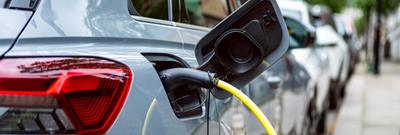
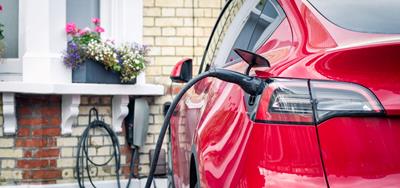
The government launched a new Electric Car Road Tax on 1 April 2025, affecting anyone who owns or is considering an all-electric (EV) or low-emission plug-in hybrid (PHEV) vehicle.
Alongside the standard annual road tax (Vehicle Excise Duty or VED), the government announced a new, separate Electric Vehicle Excise Duty (eVED) or ‘per mile tax’ starting in April 2028.
If this sounds confusing, our easy-to-use guide explains what the car tax changes mean for you, how much you must pay in 2026, and why.
EASY AS HACK
The government announced a new Electric Car Road tax which impacts all EVs. Our EV road tax guide explains the road tax changes and how much you may need to pay.
At a glance
A summary of road tax changes for electric vehicles:
- £20 annual VED (pre-2017 EVs)
- £195 standard VED/year 2+ (post-2017 EVs)
- 3p a mile (EVs)/1.5p a mile (PHEVs) + VED
what is electric vehicle road tax?
Electric vehicle road tax (eVED) is a flat rate that all EV owners (electric cars, vans, motorbikes or tricycles)[1] must pay to use the UK’s public roads. It began in April 2025 when the government abolished the free exemption.
Find out about other new driving laws.
how much is electric vehicle (ev) road tax?
The amount of electric vehicle tax you pay depends on the date your electric vehicle was registered and its original list price (its on-the-road price when new). Most EV drivers will pay £195 in EV road tax for 12 months in 2026. However, brand new EVs registered in 2026 only pay £10 for the first year, then £195 from the second year onwards.
The government has also raised the expensive car supplement (ECS) or ‘luxury car tax’ threshold for zero-emission cars from a £40,000 to £50,000 list price with effect from 1 April 2026.[2] Note: it applies retrospectively to 2025 EVs.
So, if you own or lease a high-end model listed at £50,000 or more, you’ll pay an ECS of £425 (on top of the standard VED rate of £195) every year for years 2 through 6 after registration.
This table shows how much road tax on electric cars you pay under the new rules:
|
EV registration date |
List price |
Annual VED tax rate |
|
From 1 April 2025 (Year 1) |
Under £50,000 |
£10 (first year rate) |
|
From 1 April 2025 (Year 1) |
Exceeds £50,000 |
£10 (first year rate) |
|
From 1 April 2025 (Years 2-6) |
Under £50,000 |
£195 a year |
|
From 1 April 2025 (Years 2-6) |
Exceeds £50,000 |
£620 a year in total (standard £195 + ECS £425) |
|
From 1 April 2025 (year 7 onwards) |
Any price |
£195 a year |
Pre-2025 EVs: if your electric car was registered before 1 April 2017 and falls into the old Band B, your annual rate will remain at £20.[3]
Visit GOV.UK for more information.
changes in electric vehicle road tax
The government is changing the electric vehicle road tax because it deemed it unfair to exempt EV motorists from charges that drivers of internal combustion engine (ICE) vehicles must pay.
The changes aim to ensure EV drivers contribute fairly.[4]
Here’s a breakdown of the changes in electric vehicle road tax:
- New EVs registered on or after 1 April 2025 must pay the lowest road tax rate in their first year of £10.
- From the vehicle’s second year onwards (registered on or after 1 April 2025), drivers must pay the standard rate of road tax of £195 a year from April 2025.
- EVs registered when the tax exemption was in effect (1 April 2017 to 31 March 2025) will also be subject to the standard road tax rate of £195.
- ECS applies to all electric cars with a list price of £50,000 or more at £425 a year from April 2025.[1] The government raised the threshold from £40,000 in the November 2025 Budget and applied it retrospectively.
how do you pay road tax on your ev?
There are three ways to pay road tax on your EV:
- Tax your vehicle on the government website
- Tax your EV by phoning DVLA on 0300 123 4321
- Tax the car at a post office branch
You’ll need your V5C logbook, MOT certificate, proof of insurance, and a valid payment method to tax your car.
Head to How to tax your car for more details.
how does pay-per-mile ev road tax work?
From April 2028, electric and plug-in hybrid cars will pay tax per mile they drive. The idea is to compensate for the government’s loss of fuel duty from rising EV sales and to meet its net-zero targets.[3]
Under the eVED pay-per-mile scheme, EV drivers will pay 3p per mile and PHEV drivers will pay 1.5p per mile. The rate will rise annually with inflation. The good news is that it will be around half the fuel duty rate that petrol and diesel car drivers must pay.[1]
So, if you drive your electric car for 5,000 miles in 2028–29, you’ll need to pay £150 at the confirmed 3p-per-mile rate. This eVED charge is on top of the standard VED of £195, so your total tax becomes £345 (unless you’re paying the expensive car supplement).
How the pay-per-mile scheme will work in practice depends on a government consultation.[5] Nevertheless, it put forward some ideas, including drivers self-estimating their mileage (by reading the odometer) at VED renewal and paying within a specific period, reconciled with MOT or registration checks.[3]
why was road tax free on electric cars before 2025?
Road tax was free on electric cars before 2025 because the government wanted to encourage more people to switch to EVs and help cut the UK’s CO2 emissions.
Making electric cars cheaper to run also helped balance the cost difference between EVs and petrol or diesel cars, giving drivers a reason to go electric. The latest road tax changes have been brought in to make the system fairer for everyone.
what other electric vehicle costs running costs are there?
Apart from paying road tax, you should also factor in other running costs for electric vehicles. These EV costs include:
- Charging point installation – to charge your EV at home (read our guide to electric car charging)
- Electricity – charging an electric car at home (the cheapest option, especially charging it off-peak) or using public charging points
- Maintenance – such as tyre checks and brake replacements, although fewer parts mean EVs are often cheaper to repair and maintain than ICEs[6]
- Car insurance – all EV drivers must have car insurance
Learn about the Ageas EV car insurance.
FAQs
do expensive electric cars over £50,000 pay more road tax?
Yes, electric cars registered on or after April 2025 with a list price of £50,000 or more pay an additional road tax charge of £425 per year payable in years 2 to 6. The threshold was originally £40,000.
are electric vans subject to road tax in 2026?
Yes, electric vans will now pay road tax.[7]
do plug-in hybrid vehicles have to pay full road tax?
Plug-in hybrid vehicles must pay standard road tax of £195 per year from year 2 (if registered after April 2017), plus eVED mileage of 1.5p per mile from April 2028.[8] PHEVs no longer benefit from reduced VED rates since the government’s 2025 reforms.
why was road tax free on electric cars before 2025?
Road tax was free on electric cars before 2025 to encourage EV uptake and cut nationwide CO2 emissions.
does every vehicle owner have to pay road tax in the uk?
Every registered keeper of a vehicle that is used or kept on a public road in the UK must ensure it is taxed.[9]
have evs always had to pay road tax?
No, EVs have not always had to pay road tax. The government introduced road tax for EVs in April 2025.
Sources
[1] Office for Budget Responsibility - Economic and Fiscal Outlook (page 11)
[3] Gov.uk - Vehicle tax for electric, zero and low emissions vehicles
[4]HM Treasury - Consultation on the Introduction of Electric Vehicle Excise Duty (eVED)
[5] Smart Survey - Consultation on the Introduction of Electric Vehicle Excise Duty (eVED)
[6] Ageas - A beginner's guide to electric cars
[7] Gov.uk - Vehicle exempt from vehicle tax