The UK's storm season can usher in powerful winds and relentless rain, hail, sleet and snow, with Met Office named storms emerging as the most disruptive.
Our guide explains how to check whether your car insurance policy covers storm damage, why staying aware of changing weather conditions matters when it comes to protecting your car and reducing the risk of damage, and strategies to minimise your claims risk.
EASY AS HACK
Examples of typical car insurance claims for storm damage include:
- Hailstones breaking the windscreen
- Wind gusting debris into your car’s bodywork
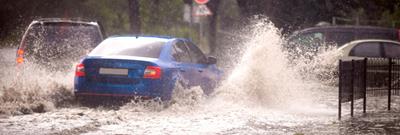
- Floods resulting in water ingress and electrical faults
- Heavy snow damaging the vehicle’s structure
- Fallen trees harming the car's exterior and interior
At a glance
You need comprehensive car insurance to cover storm damage to your vehicle.
is storm damage covered by car insurance?
Comprehensive car insurance usually includes storm damage cover. However, your insurer is unlikely to include it if you have one of the other car insurance types: third-party or third-party, fire and theft.
The simplest way to check is by looking at your policy documents. Most of them will also tell you what your insurer has excluded.
Typical storm damage exclusions:
- Any pre-existing damage
- Claims lower than the policy excess
- Maintenance matters like frozen locks or dead batteries
- Normal wear and tear
- Personal belongings
- Damage to undeclared customised parts
Another likely insurance exclusion is preventable damage, such as ignoring warning signs and driving through floodwaters. To be covered, the damage must be outside your control.
how do i claim for storm damage to my car?
Six named storms in 2024-25 set new UK records for rainfall and unleashed the most powerful windstorm in 10 years.[1] The Association of British Insurers (ABI) reported that insurers received 7,210 vehicle damage claims after the first three storms.[2]
How to make a claim for storm damage on your car insurance:
- Hold off on repairs until you speak to your insurer first.
- Check your policy to see what’s covered and what excess you’ll need to pay.
- Get in touch with your insurer and have your policy number ready.
- Share evidence like photos or videos of your car and the damage with your insurer.
- If covered, your insurer will usually offer an approved repairer in your area to assess and repair the damage.
- Wait for your insurer to review your claim before repairs start.
- Pay your excess as set out in your policy.
what type of storm damage will car insurance cover?
The Met Office predicts that winter windstorms will increase slightly in number and intensity across the UK due to climate change.1But wind isn’t the only problem. Varied weather conditions can harm your car in unique ways:
- Hail damage: If hailstones are large enough to scratch or dent your car, you can make a hail-storm car insurance claim, and a comprehensive policy should cover it.
- Fallen trees: Typically, comprehensive car insurance will cover wind damage, such as strong gusts toppling a tree onto your car or hurling heavy debris into it.
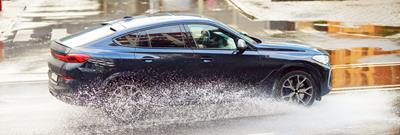
- Flood damage: Comprehensive cover usually includes accidental flood damage, including water entering the engine or electrical system in parked cars.
- Other cars: Snow and ice can increase the risk of a collision with yours. If it happens, any of the three types of car insurance should cover your damage.
In addition, it’s usual for comprehensive car insurance to cover interior repairs, including upholstery and built-in audio systems, damaged by acts of nature.
when is my car not covered for storm damage?
Your policy won’t cover storm damage in certain situations. Examples include driving through flooded areas when other routes were available or ignoring a sign saying, ‘road closed due to snow’.
Everyday wear or tear caused by your car being poorly maintained is not covered; neither is damage caused when a policyholder drives through a storm recklessly or under the influence of alcohol or drugs.
how can i protect my car from storm damage?
You can protect your car from storm damage in these simple ways:
- Park inside – park your car in a garage or another covered location to reduce the risk of storm damage. Use a waterproof cover if you have to park outside.
- Secure your car – shut the windows, sunroofs and doors so they won’t let in rain, sleet, snow, or hail and remove a roof-mounted rack.
- Avoid risks – don’t park your car in a low-lying place prone to flooding or next to anything that could loosen in the wind, like a row of trees or power lines.
- Check your tyres – the Highway Code warns that over- or under-inflated tyres can increase the risk of skidding in cold, wet weather, and low brake fluid levels may result in a crash.[3]
Read our winter car maintenance checklist for helpful tips.
is storm damage to my car classed as accidental damage?
A storm damage to your car isn’t considered an accident; insurers view it as a natural, unavoidable event. However, insurers can classify stormy weather incidents as a ‘fault’ claim. An example is your neighbour’s fence falling onto your car. Since the neighbour is liable, their home insurance will cover the damage.
Learn how to protect your home from high winds.
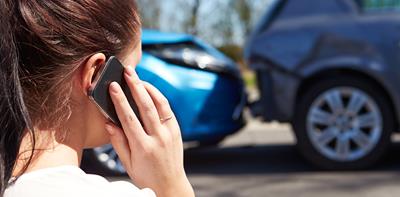
Your insurance company may also decide it’s a fault claim if they can’t recover the costs from a third party - for example, in the case of not finding the driver of a vehicle that loses control, say in icy and snowy conditions, and hits your parked car.[4]
will storm damage affect your no-claims discount?
Yes, storm damage could affect your no-claims discount (NCD) if the insurance company views the damage as ‘at fault’ or they can’t recover the costs from a third party.
Even if your comprehensive insurance covers storm-related damage, a claim counts as being against your policy. As a result, you may lose your NCD or see it reduced (unless you have NCD protection). Also, you are likely to see your premiums increase when you come to renew your insurance.
Check your policy wording to be sure what’s covered. NCD protection is an optional add-on for Ageas car insurance policies. Read our guide to no claims discounts.
can i drive when there's a weather warning?
You can drive during a weather warning and will have insurance cover, but think carefully about your safety first.
Met Office UK issues daily weather warnings and provides advice on named storms likely to cause disruption or damage.[5] They give you a heads-up on the risks and their potential impact, helping you stay safe.
If you can’t avoid driving during red and amber weather warnings, drive carefully and pay attention to your surroundings. Visit our Road Safety Hub to prepare for driving in all weather.
Learn about Ageas comprehensive car insurance.
FAQs
will a claim for storm damage affect my car insurance premium?
Making a claim for storm damage may increase your premium.
what are the weather warnings in the uk?
In the UK, the Met Office issues Red, Amber, and Yellow weather warnings. They’re ranked by how likely they are and the impact they could have.
e.g. A Red weather warning indicates a potentially high impact, which may influence your decision to drive.
should i drive during a storm?
For safety reasons, it’s best to avoid driving in storm conditions unless it’s necessary.
what will my insurer do when i claim for storm damage to my car?
When you claim for storm damage to your car, Ageas will check that your insurance covers it and confirm any excess you must pay.
We’ll request a list of damage to your vehicle and supporting proof, and send you a link to upload photos, video, and documents.
We’ll keep you updated on your claim and help to organise repairs through our network of approved repairers. We’ll let you know immediately whether your vehicle is repairable and what will happen next.
Sources
[1] Wired-gov.uk - A look back at the 2024/25 storm season
[2] The Abi - Weathering the Storm
[4] Financial Obudsman Service - Fault claims and no-claims bonus